
How to Organize a Closet That Actually Stays Organized
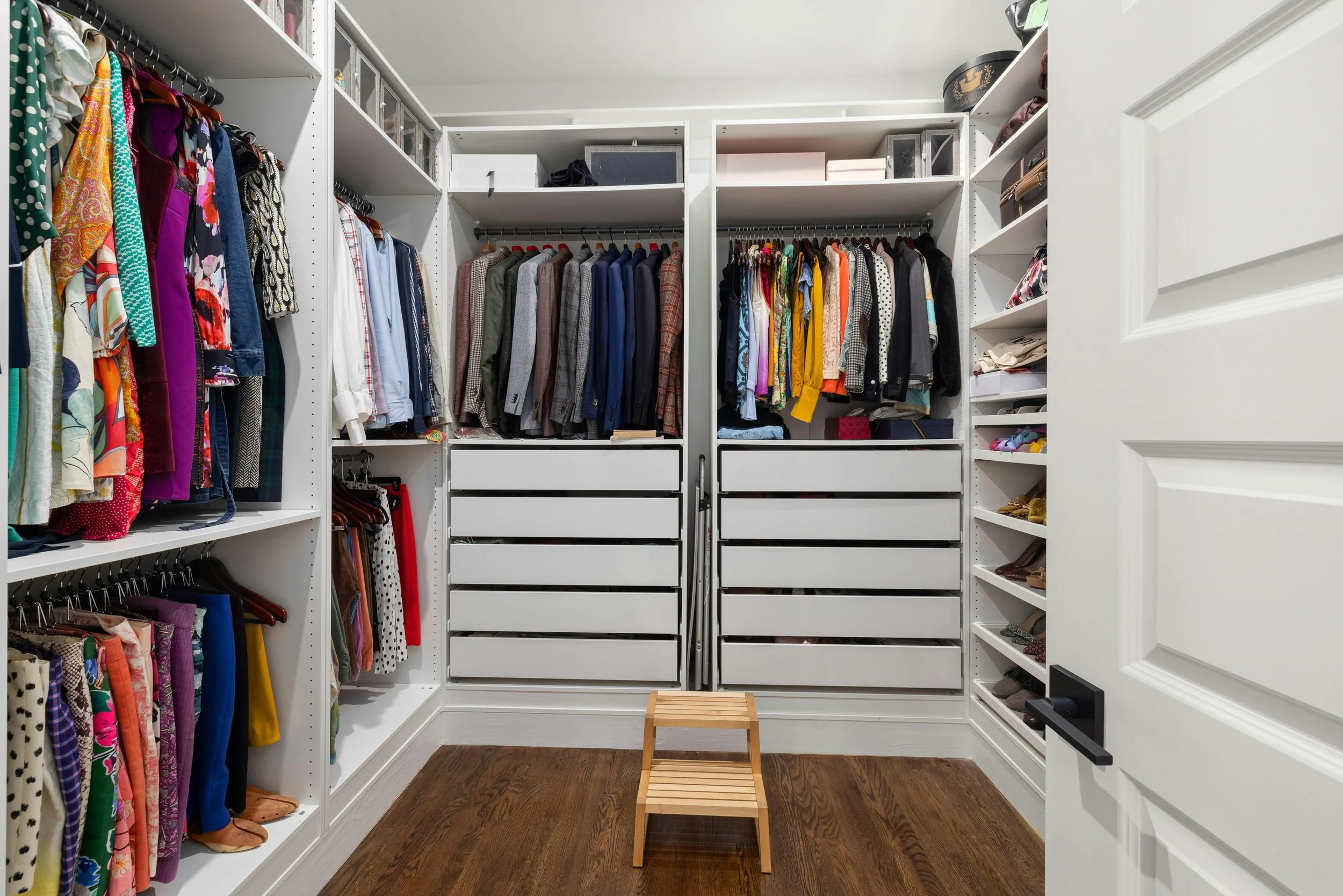
Most people have organized a closet at least once. They emptied it out, sorted everything, put it back neatly — and two months later it looked exactly like it did before. The problem was not effort or intention. The problem was that the system was not designed to be maintained.
A closet that stays organized is not the result of more discipline. It is the result of a system so intuitive that putting things back correctly is easier than not doing it. This guide shows you how to build that system from scratch.
Step 1 - Declutter Before You Organize
No organizing system works around too much stuff. Before you buy a single bin or hanger, declutter your closet down to what you actually use, wear, and need. This is the step most people skip — and it is the reason most closets revert.
Remove everything from the closet completely. You cannot declutter what you cannot see.
Sort into 4 categories: keep, donate, store elsewhere, and discard. Be honest — if you have not worn it in a year and do not love it, it is taking up space someone else could use.
Check for seasonal items that do not need to live in your primary closet. Winter coats, holiday gear, and off-season clothing belong in storage, not in prime real estate.
Identify duplicates. Most people own more of certain categories than they realize — the edit process usually reveals an excess of hangers, bags, or shoes that the system never needs to accommodate.
THE KEY INSIGHT: A closet organized around everything you own will always drift back to chaos. A closet organized around only what you actively use will stay organized almost by default — because the system has room to breathe and every item has a clear home.
Step 2 - Design the System Around How You Use the Space
The most common closet organizing mistake is copying a system from a magazine or social media without asking whether it fits the way you actually get dressed. A beautiful system that does not match your habits will not be maintained.
Before deciding where things go, ask yourself:
Do you reach for the same 20% of your wardrobe 80% of the time? If so, those items need the most accessible positions — eye level, front and center.
Do you get dressed in a hurry or do you browse? Fast dressers need an obvious, intuitive layout. Browsers benefit from grouping by category and color.
Do multiple people use this closet? Shared closets need clearly defined zones so each person’s belongings do not bleed into the other’s.
How much hanging space do you actually need vs. folded storage? Most people over-hang and under-fold — assess your actual clothing mix before deciding on the rod-to-shelf ratio.
DESIGN TIP: The goal is not the most beautiful closet on Pinterest. The goal is the most functional closet for your specific wardrobe and your specific habits. Design for the person who will use it every day at 7am — not for the person photographing it on a Saturday afternoon.
Step 3 - Set Up the System with Intention
Once you know what you are keeping and how to use the space, set up the system with these principles:
Hanging clothes
Group by category (tops, bottoms, dresses), then by color within each. Matching slim velvet hangers — not wire or mixed — create visual calm and save significant space.
Folded items
Fold vertically (file folding) so items are visible and accessible without disturbing the stack. A stack you have to dig through will always become a pile.
Shoes
Store at eye level or below. Pairs you wear daily at the front. Off-season or occasional shoes in boxes with photos on the front so you can find them without opening everything.
Bags and accessories
Hooks on the back of the door or a designated shelf. Bags stored upright, not stacked, so you can see and grab them without reorganizing.
Small items
Bins or dividers in drawers for jewelry, belts, ties, and accessories. Open bins on shelves for items you grab regularly. Closed bins for items used seasonally.
Labels
Label every shelf, bin, and drawer zone — even if it seems obvious now. Labels are what make a system maintainable by everyone who uses the space, not just the person who set it up.
Step 4 - Build in the Habits That Keep it Working
The best closet system in the world will not stay organized without a few simple habits. The good news is that a well-designed system makes these habits almost effortless.
Put things back where they belong immediately — not on the chair, not on the floor, not “for now”. The chair pile is where closet systems go to die.
Do a seasonal edit twice a year — spring and fall. Swap out seasonal items, donate anything you did not wear that season, and do a quick reset of the system.
Apply the one-in-one-out rule for clothing: when something new comes in, something goes out. This prevents gradual accumulation from overwhelming the system over time.
Spend five minutes on Sunday putting the closet back to baseline. A weekly reset prevents the drift that turns a functional system into a chaotic one.
THE REAL SECRET: A closet that stays organized is one where returning things to their place is easier than not doing it. That is the standard to design toward. If your system requires effort to maintain, it will not be maintained. If it requires almost none, it will sustain itself.
A well-designed closet is not just a storage space. It is a system that serves you every single morning — quietly, efficiently, and without requiring anything extra from you. That is worth taking the time to build correctly.
Want a closet that’s set up right the first time?
Home to Home Services designs and sets up closet organizing systems that are built to last — for primary closets, linen closets, pantries, garages, and whole-home organizing projects. We do the work so you get the result without the weekend project.
Contact us today to schedule a closet or home organizing consultation.
Call or text: 804-496-1767
About Home to Home Services
Home to Home Services is a full-service home transition company specializing in packing & unpacking, move management, home organizing, and design & space planning. We help homeowners, families, and seniors navigate every stage of a move with ease.
