
How to Organize a Pantry: A Step-by-Step Guide
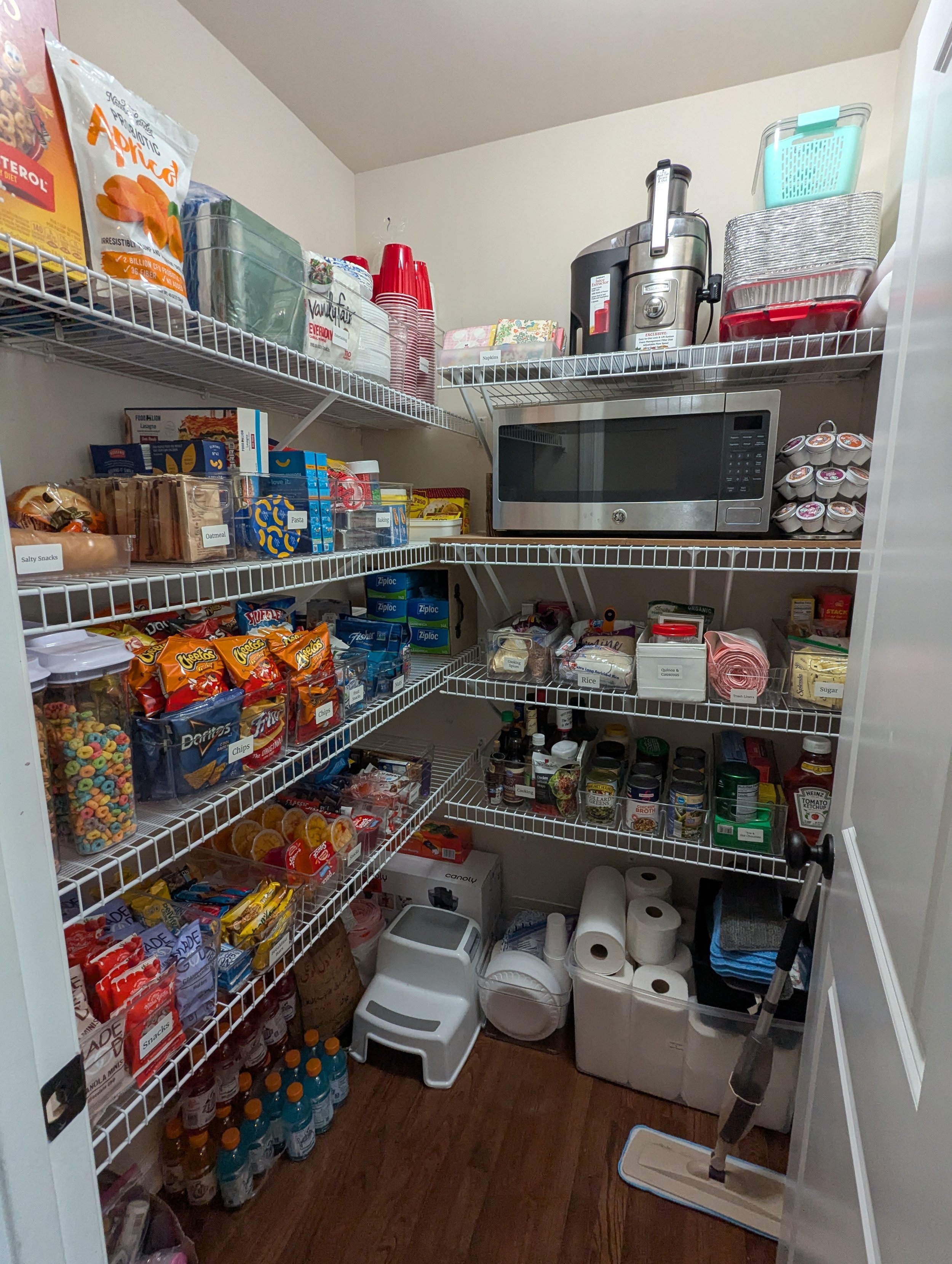
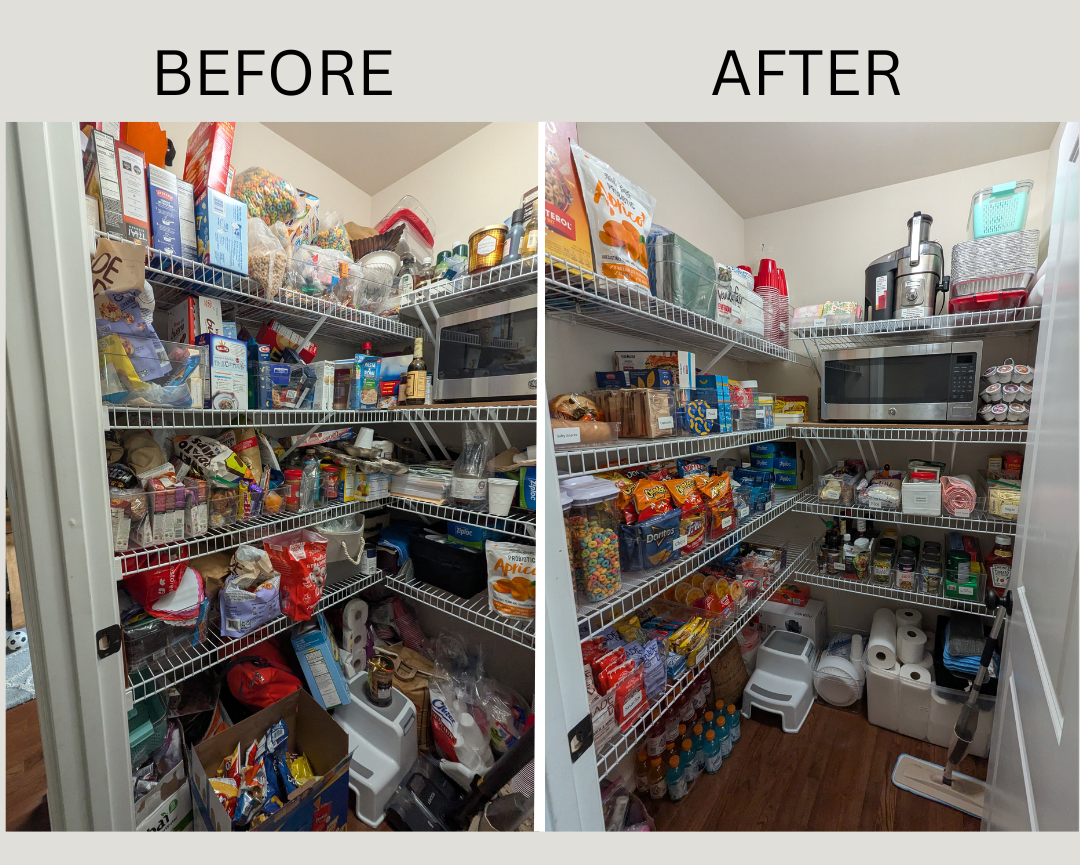
A well-organized pantry saves time, reduces food waste, and makes cooking feel less like a chore. It also saves money — when you can see everything you have, you stop buying duplicates of things already buried in the back.
The good news is that a pantry overhaul does not require expensive storage systems or a complete renovation. It requires a clear process, a few good containers, and the discipline to put things back where they belong. Here is how to do it from start to finish.
Step 1 - Take Everything Out
Do not try to organize a pantry by shifting things around in place. Take every single item out — all of it, onto the counter or kitchen table — before anything goes back in.
This is not optional. You cannot see what you have, identify what is expired, or create a logical system without starting with a completely empty space.
Check every expiration date as you remove items. Anything expired goes directly in the trash — no hesitation.
Group similar items together on the counter as you empty: all canned goods together, all baking supplies together, all grain together, and so on.
Wipe down every shelf before anything goes back in. A clean surface makes the finished result feel significantly more satisfying.
Be honest about what you will actually use. A jar of tahini form two years ago and a specialty spice you bought for one recipe are not pantry staples — let them go.
QUICK WIN: Most households discover they have 15-25% less usable pantry food than they thought once expired and duplicate items are removed. The pantry feels larger and more functional immediately — before a single organizing product is purchased.
Step 2 - Group by Category and Assign Zones
Once everything is out and sorted, decide where each category lives before putting anything back. A pantry organized by logical zones is one you can maintain because it is easy to know where things go.
Eye Level
What lives here: Most-used everyday items — cereals, snacks, oils, condiments.
Why this location: Easiest to see and reach without bending or climbing.
Upper Shelves
What lives here: Less-used items — specialty ingredients, backup stock, entertaining supplies
Why this location: Out of the way but still accessible when needed
Lower Shelves
What lives here: Heavy items — canned goods, large bottles, bulk items
Why this location: Safer and easier to lift from a low position
Door or Front
What lives here: Small, frequently grabbed items — spices, packets, snack bars
Why this location: Visible and reachable without going into the pantry
Bottom / Floor
What lives here: Large appliances, bulk storage, drink cases
Why this location: Floor-level for heaviest and largest items
ORGANIZING TIP: Before buying any containers or bins, put everything back in its assigned zone using what you already have. Live with it for a week. You will have a much clearer sense of what storage products you actually need — rather than buying everything at once and discovering half of it doesn’t fit.
Step 3 - Contain, Label, and Maintain
Once the zones are set, the right containers make the system easy to maintain. The goal is not a perfectly matching aesthetic (though that is a nice bonus) — it is a system clear enough that anyone in the household can put things back in the right place without thinking too hard about it.
Use bins or baskets to group categories on shelves — one bin for baking supplies, one for snacks, one for pasta and grains. Bins let you pull out the whole category at once rather than rummaging.
Decant frequently used staples — flour, sugar, rice, oats, pasta — into clear, airtight containers. They stay fresher longer, you can see when you’re running low, and they stack neatly.
Label everything. Even if you know what’s in every bin today, your future self (and everyone else in your household) will thank you for it. Simple masking tape and a marker works just as well as printed labels.
Apply the “first in, first out” rule for canned goods and packaged items: new purchases go behind older ones so nothing gets lost at the back and expires unused.
Do a quick monthly scan — five minutes to check expiration dates, consolidate duplicates, and return anything that has drifted out of its zone.
STYLE TIP: You do not need to spend a lot to make a pantry look organized and intentional. A set of matching clear bins from a dollar store, consistent simple labels, and decanted staples in matching containers will transform the look of almost any pantry for under $30.
An organized pantry is not a one-time project — it is a system. The five minutes a week it takes to maintain it pays back in every meal that comes together faster, every grocery trip that costs less, and every time you open that door and feel calm instead of overwhelmed.
Want your whole kitchen — or whole home — organized?
Home to Home Services provides professional home organizing for every room in your home — from pantries and kitchens to closets, garages, and whole-home systems. We do the work so you can enjoy the result.
Contact us to today to schedule a home organizing consultation.
Call or text: 804-496-1767
About Home to Home Services
Home to Home Services is a full-service home transition company specializing in packing & unpacking, move management, home organizing, and design & space planning. We help homeowners, families, and seniors navigate every stage of a move with ease.
