
How to Stage a Home for Sale Without Buying New Furniture
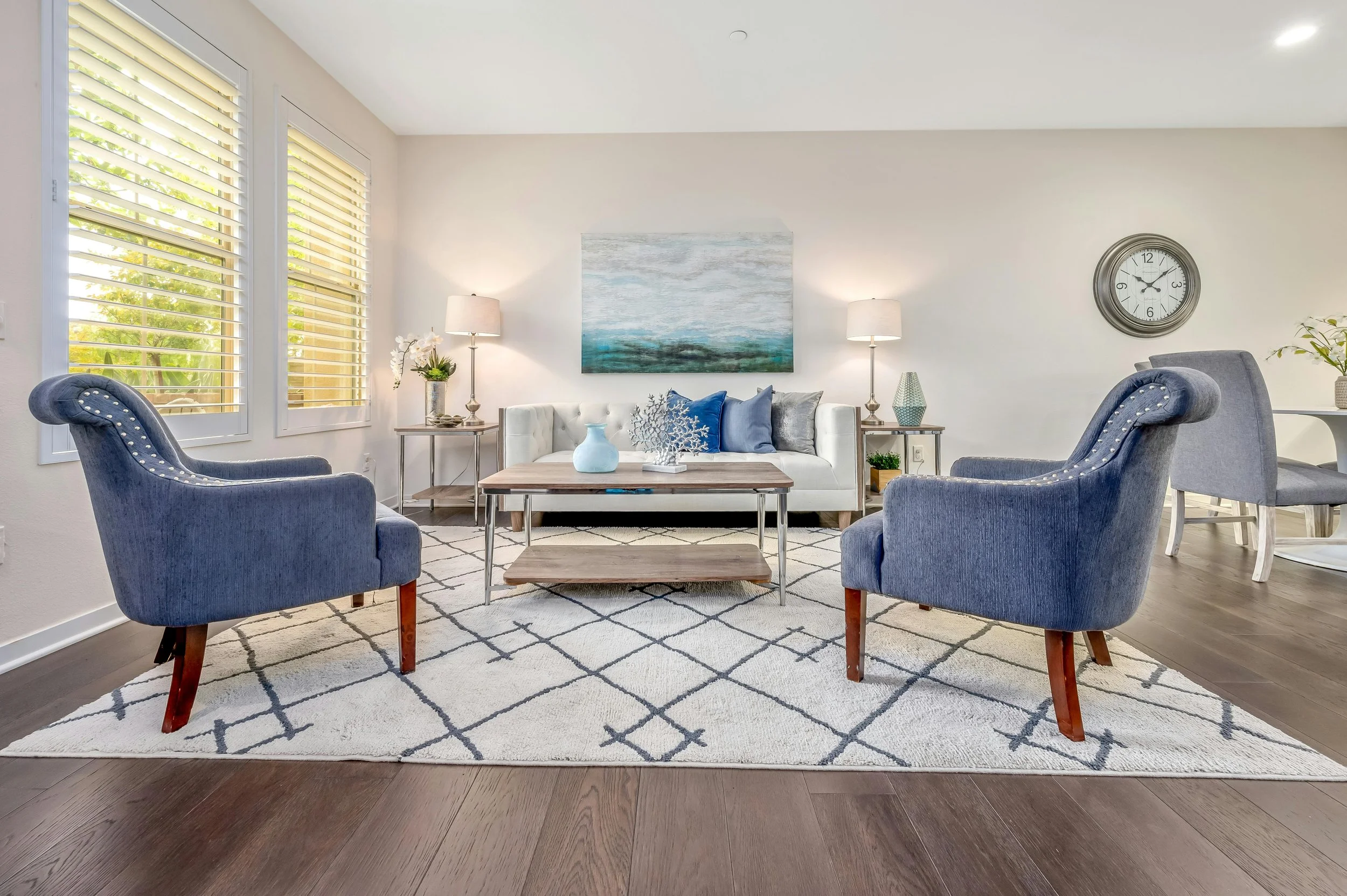
Most sellers assume staging means spending money — renting furniture, buying new decor, hiring a professional stager for thousands of dollars. In the reality, the most impactful staging changes cost nothing at all. They require editing, rearranging, and looking at your own home through fresh eyes.
This guide walks you through how to stage your home for sale using what you already own — so you can go from lived-in to listing-ready without a single shopping trip.
1 - Declutter First — Everything Else Follows
Before you arrange a single piece of furniture or add a single accessory, declutter. Ruthlessly. Staging is not about adding things — it is about removing enough that what remains makes the space feel spacious, calm, and full of possibility.
The rule of thumb professional stagers use: remove at least one-third of everything in every room before the first showing. That includes furniture, decor, books, plants, and personal items. If a room feels sparse after decluttering, you are probably close to right.
Clear every countertop down to two or three items maximum. In the kitchen, that means the coffee maker and one decorative element — nothing else.
Remove personal photos, children’s artwork, and highly personalized decor from main living spaces.
Pull excess furniture out of every room. One fewer chair in the living room, one fewer nightstand in the bedroom — less almost always reads as more space.
Empty closets by at least a third. Buyers open every door. A closet with breathing room signals storage abundance.
Clear bathroom countertops entirely. Store all personal care products under the sink or in a basket that can be tucked away for showings.
SELLER TIP: Rent a small storage unit for the duration of your listing. Moving excess furniture, personal items, and packed boxes off-site is one of the single highest-impact things a seller can do — and it gives you a head start on packing for the actual move.
2 - Rearrange What You Have to Show the Space
Most people arrange their furniture for how they live — not how a room photographs or shows to strangers. Staging rearranges furniture to show the room’s size, flow, and function as clearly as possible.
Float furniture away from walls. Sofas and chairs pulled slightly inward create a more intimate, intentional conversation area and actually makes rooms feel larger — not smaller.
Create clear traffic paths. A buyer should be able to walk naturally through every room without navigating around furniture. If they can’t, something needs to move.
Face seating toward the room’s best feature — a fireplace, a window with a view, an architectural detail. Give buyers something to look at.
Remove any furniture that blocks natural light. A chair in front of a window, a bookcase blocking a glass door — light sells homes. Clear the path to it.
In bedrooms, center the bed on the main wall and ensure equal space on both sides. Asymmetrical bedroom layouts make rooms feel smaller and less finished.
REALTOR TIP: The most common furniture mistake in listing photos is a sofa pushed against the back wall of a living room. It signals a small room even when the room is generously sized. Moving the sofa even 18 inches forward transforms how the space reads on camera and in person.
3 - Refresh Every Room With What You Already Own
Once the decluttering and rearranging are done, small styling touches finish the job. The goal is a home that feels warm, clean, and cared for — not cold and empty, but not cluttered either. Everything you need is almost certainly already in your home.
Living Room
Restyle one bookcase or shelf with a curated selection of books and objects. Add a tray to the coffee table to anchor loose items. Fold a throw blanket over the sofa arm.
Kitchen
Place a small bowl of fresh fruit on the counter. Hang fresh or clean dish towels. Remove everything else. Let the counter space be the feature.
Primary Bedroom
Add white or neutral pillow covers to dress the bed. Place a tray on the dresser with one candle and one small plant. Clear nightstands to one item each.
Bathrooms
Roll white towels neatly and place on a towel bar or in a basket. Add a small plant or a bar of decorative soap. Remove everything else from counters.
Dining Room
Set the table simply — placemats, neutral napkins, a low centerpiece from your own home. It signals the room’s purpose clearly without clutter.
Entry / Foyer
Clear the floor completely. Add one mirror if you have one — it expands the sense of space. One plant or one simple piece of art on the wall.
PHOTOGRAPHY TIP: Listing photos are the first showing. Every buyer will see them before they ever step foot in your home. Stage specifically for the camera — stand in the doorway of each room and ask: does this look spacious, clean, and inviting? If not, remove one more thing.
The best staging is almost always invisible. Buyers should walk into a home and feel a sense of possibility — not notice the staging. When decluttering, rearranging, and refreshing are done well with what you already own, that is exactly what happens.
You do not need new furniture to sell your home. You need a clear eye, a willingness to let some things go temporarily, and the patience to see your home the way a buyer will.
Need help getting show-ready?
Home to Home Services helps sellers declutter, organize, and stage their homes for listing — efficiently, professionally, and around your agent’s timeline. We work with what you have to make your home show at its absolute best.
Contact us today to schedule a pre-listing consultation.
Call or text: 804-496-1767
About Home to Home Services
Home to Home Services is a full-service home transition company specializing in packing & unpacking, move management, home organizing, and design & space planning. We help homeowners, families, and seniors navigate every stage of a move with ease.
