
The Ultimate Guide to Moving Box Sizes
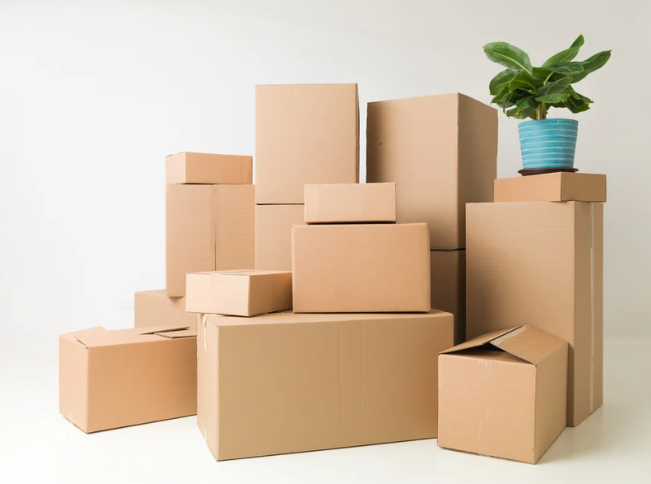
The Golden Rule:
Weight vs. Volume.
Small boxes for heavy items and large boxes for light items. Never try to put books in a large moving box — it will be too heavy to lift safely and likely break the bottom of the box.
Breakdown of Standard Box Sizes
| Box Size | Dimensions (Approx.) | Primary Purpose | Ideal Contents |
|---|---|---|---|
| Small (1.5 Cubic Feet) | 16" x 12" x 12" | The Heavy Lifter. Used for high-density, breakable, and heavy items. | Books, canned goods, tools, small appliances, small fragile decor, records, papers/files. |
| Medium (3.0 Cubic Feet) | 18" x 18" x 16" | The All-Rounder. The most common box size for general household goods. | Kitchenware, toys, pantry staples, lampshade, picture frames, boardgames/puzzles. |
| Large (4.5 Cubic Feet) | 18" x 18" x 24" | The Light Filler. Used for bulky, lightweight items that take up a log of space. | Pillows, blankets, comforters, winter coats, large stuffed animals, linens, towels. |
| Dish Pack (5.2 Cubic Feet) | 18" x 18" x 28" | Fragile Protection. Double-walled and extra sturdy. | Fine China, glassware, stemware, valuable artwork, fragile kitchen appliances, vases, lamp bases. |
| Wardrobe Box | 24" x 24" x 48" | Clothing Transit. Extra tall with a metal bar inside for hanging garments. | Suits, dresses, business attire, everyday clothing you want to keep on hangers and wrinkle-free. |
Expert Packing Hacks
The Weight Test - Can you lift the box easily from the bottom without struggling or hunching? If not, reduce the weight immediately. Safety first!
No Empty Space - A partially empty box is prone to crushing. Fill all voids with packing paper, towels, or bubble wrap. This is crucial for stacking and transit.
Fill From The Bottom Up - Always place the heaviest items at the bottom of the box and the lightest/most fragile items on top.
Label by Content and Room - Do not just label “Kitchen”. Label it “Kitchen - Pots and Pans” or “Bedroom 3 - Books”. This saves immense time when unpacking.
Group in Bags - Use plastic shopping bags or Ziploc bags to group like items to keep them contained. This hack works well with odd bathroom and junk drawer items, kitchen utensils, and liquids — cleaning products and wet pantry items (oil, vinegar, dressing).

Congratulations!
You’ve mastered the art of choosing the perfect box—understanding that heavy items belong in the small, sturdy containers, and light items belong in the big ones. That knowledge is the foundation of a great move. But packing is just one piece of the massive moving puzzle.
Ready for a truly stress-free move?
Let our experts apply the ultimate packing and logistics strategy for you. Call us now at (804)-496-1767 or request a free consultation to see how affordable peace of mind can be.
