
The Complete Packing Guide for a Stress-Free Move
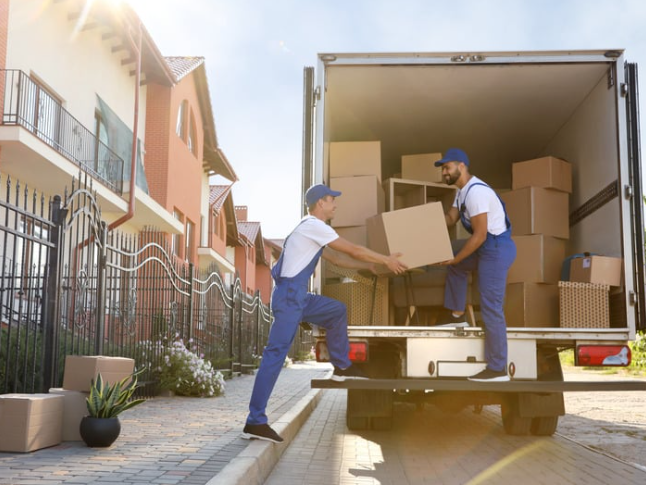
Moving doesn’t have to be overwhelming. With the right plan, the right supplies, and a few professional tricks, you can pack your entire home efficiently — and arrive at your new front door with everything intact. Here’s what you need to know.
1 - Start Earlier Than You Think
The biggest packing mistake homeowners make is waiting too long. For an average 3-bedroom home, packing takes 20-40 hours. Give yourself a realistic runway:
6 - 8 weeks out: Declutter and order supplies. Start packing items you rarely use — seasonal decor, books, keepsakes.
3 - 4 weeks out: Pack non-essential kitchen items, extra linens, and off-season clothing. Label every box.
1 - 2 weeks out: Pack most clothing, wrap furniture, and prepare your “open first” boxes.
Moving day: Pack remaining essentials in the morning and do a final room-by-room walkthrough.
2 - Use the Right Supplies
The right materials protect your belongings and make unpacking faster. The essentials: small, medium, and large boxes; packing tape and a dispenser; packing paper; bubble wrap for fragile items; permanent markers; and color-coded labels by room. Wardrobe boxes are worth the investment for hanging clothes. Skip newspaper directly on valuables — the ink transfers.
3 - Pack Smart, Room by Room
Working room by room keeps your boxes organized and your unpacking fast. A few key tips per space:
Kitchen - Wrap dishes individually and stack plates vertically — they’re less likely to break. Use towers and oven mitts as cushioning for pots.
Bedroom - Use wardrobe boxes for hanging clothes. Roll soft items like t-shirts to maximize space.
Living room - Disassemble furniture and keep hardware in labeled Ziploc bags taped to the piece. Always photograph cable setups before disconnecting electronics.
Bathroom - Tape all bottle lids shut and seal in Ziploc bags. Pack toiletries last — you’ll need them until moving morning.
Home office - Back up files before disconnecting anything. Transport important documents — passports, deeds, insurance — in a personal bag you carry yourself.
4 - Pro Tips That Make a Real Difference
Fill every box completely — half-empty boxes collapse under weight. Use packing paper, towels, or clothing to fill gaps.
Keep boxes under 50 lbs. Heavy items like books go in small boxes; light items like pillows go in large ones.
Write on the TOP and one SIDE of every box so it’s readable when stacked.
Pack a moving day survival bag with snacks, chargers, a change of clothes, and toiletries. Keep it with you — not on the truck.
Want the Full Step-by-Step Guide?
This post covers the essentials — but our complete packing guide goes even deeper, with a full supplies checklist, an “Open First” box guide for every room, a list of items to never pack, and more professional packing strategies. Download the full guide here.
Or contact Home to Home Services to have our professional team handle packing and unpacking for you — from start to finish.
About Home to Home Services
Home to Home Services is a full-service home transition company specializing in packing & unpacking, move management, home organizing, and design & space planning. We help homeowners, families, and seniors navigate every step of a move with ease.
