
Signs That Clutter Has Become a Hoarding Situation
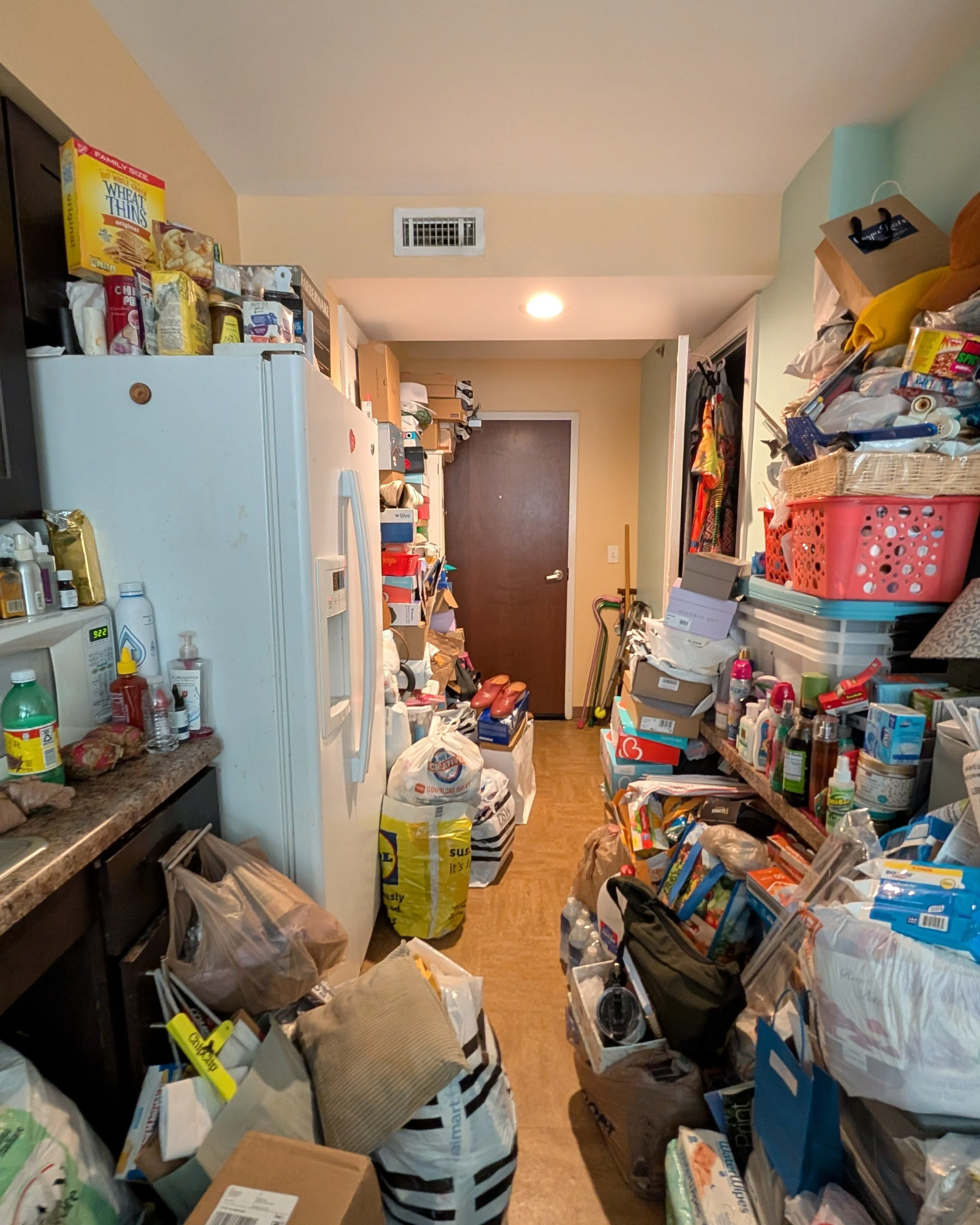
Every home has clutter. A junk drawer that’s gotten out of hand, a closet that needs editing, a counter piled with mail — these are ordinary parts of everyday life. But there is a point where clutter crosses into something more serious: a hoarding situation that affects health, safety, and quality of life.
Understanding the difference is not about judgment. It is about knowing when someone needs more than a weekend of organizing — and what kind of support will actually help.
IMPORTANT NOTE: Hoarding disorder is recognized by the American Psychiatric Association as a mental health condition — not a character flaw or lifestyle choice. It is rooted in anxiety, grief, trauma, or deep emotional attachment to objects, and it responds best to compassionate, patient support rather than urgency or force.
1 - Clutter vs. Hoarding: Understanding the Difference
The line between a cluttered home and a hoarding situation comes down to function, safety, and emotional response. Here is how to tell them apart:
Clutter
Disorganized but rooms still function
Person recognizes the problem
Embarrassing but not deeply distressing
Responds well to organizing help
Resolved with time and effort
Hoarding
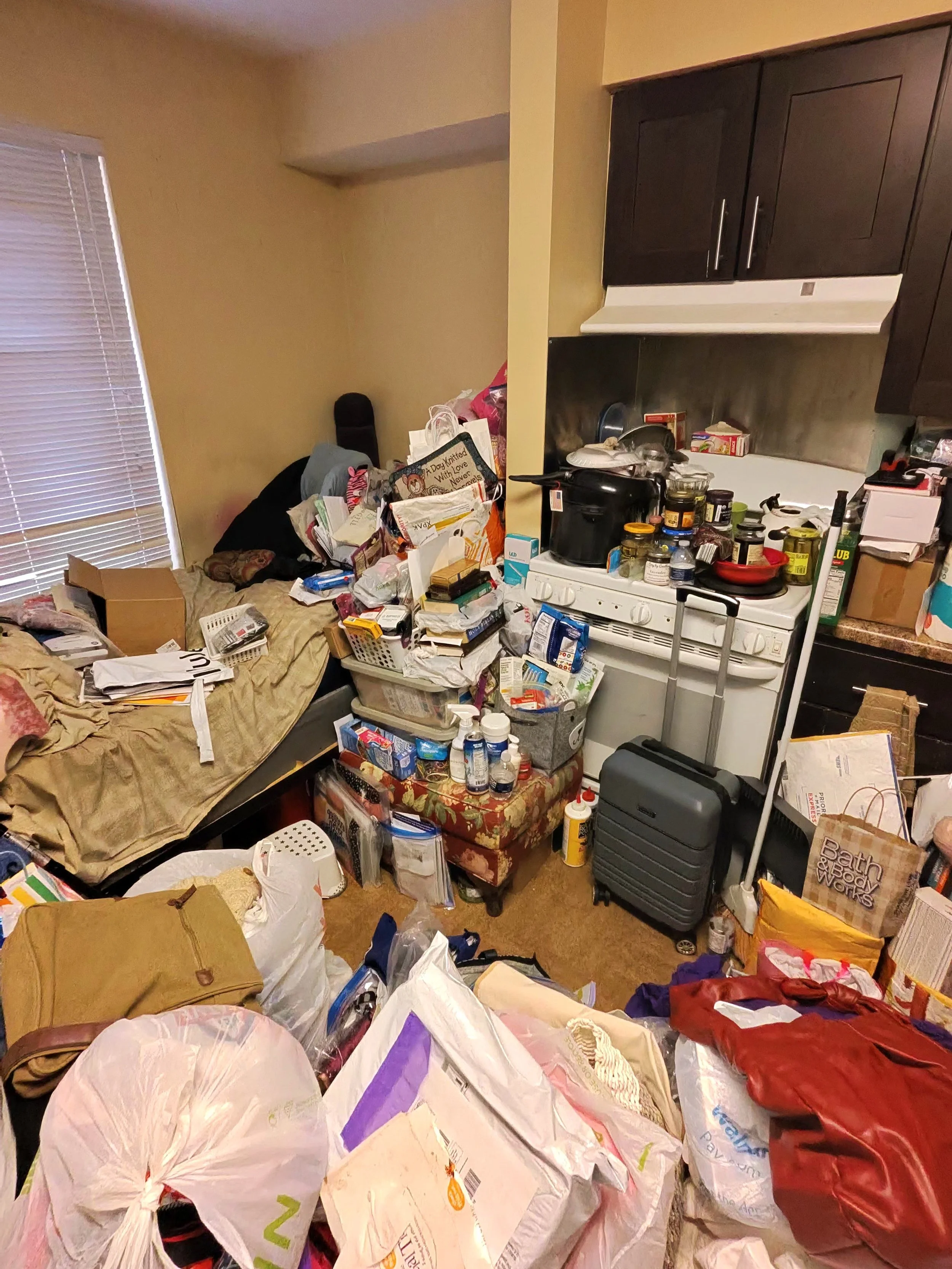
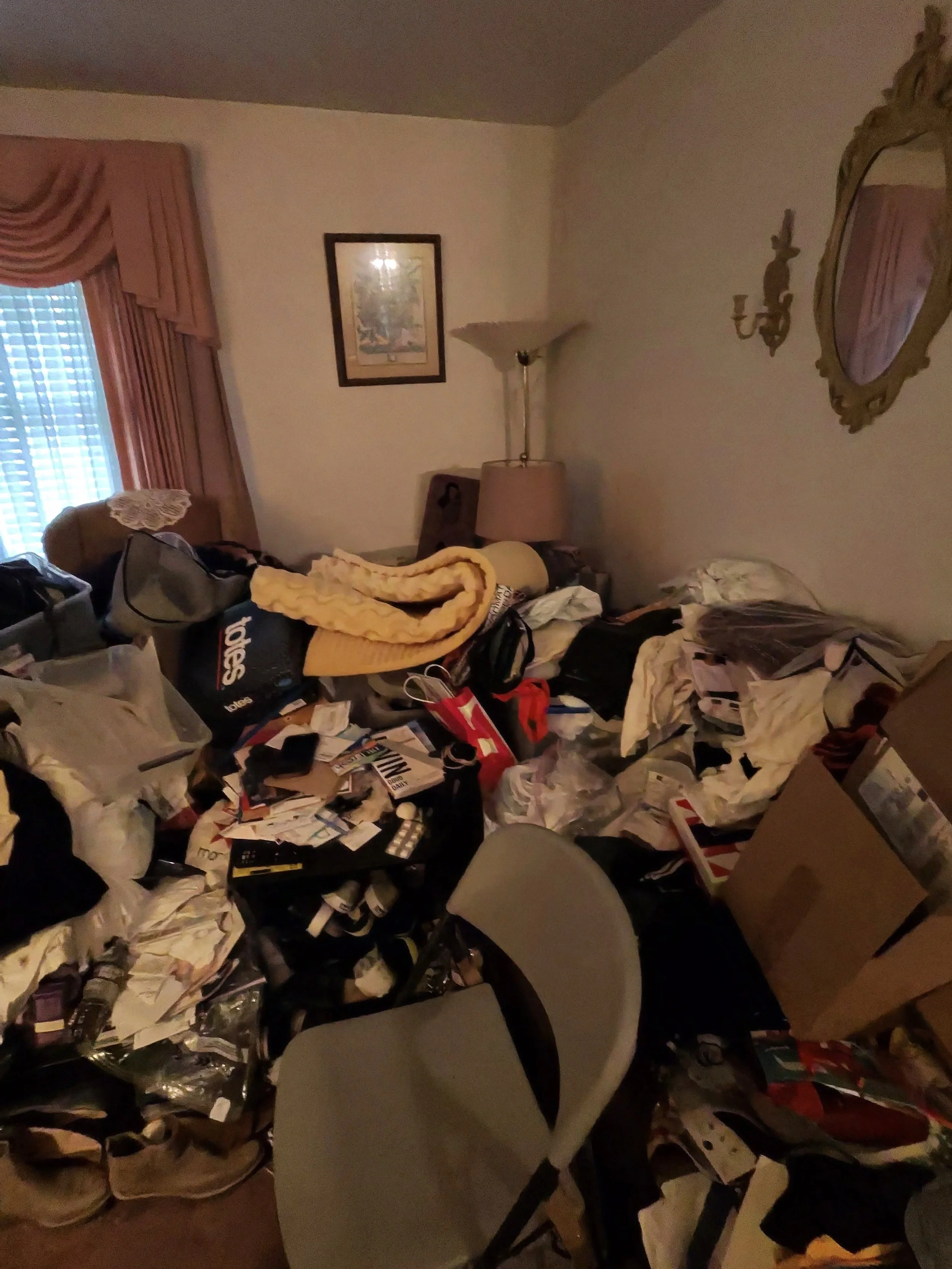
Rooms can no longer be used for their purpose
Person may not see the clutter as a problem
Extreme distress at the idea of discarding anything
Requires compassionate, long-term support
Rooted in anxiety or trauma — needs patience
2 - Warning Signs to Watch For
These signs — especially several together — indicate a situation that has moved beyond ordinary clutter:
In the Home
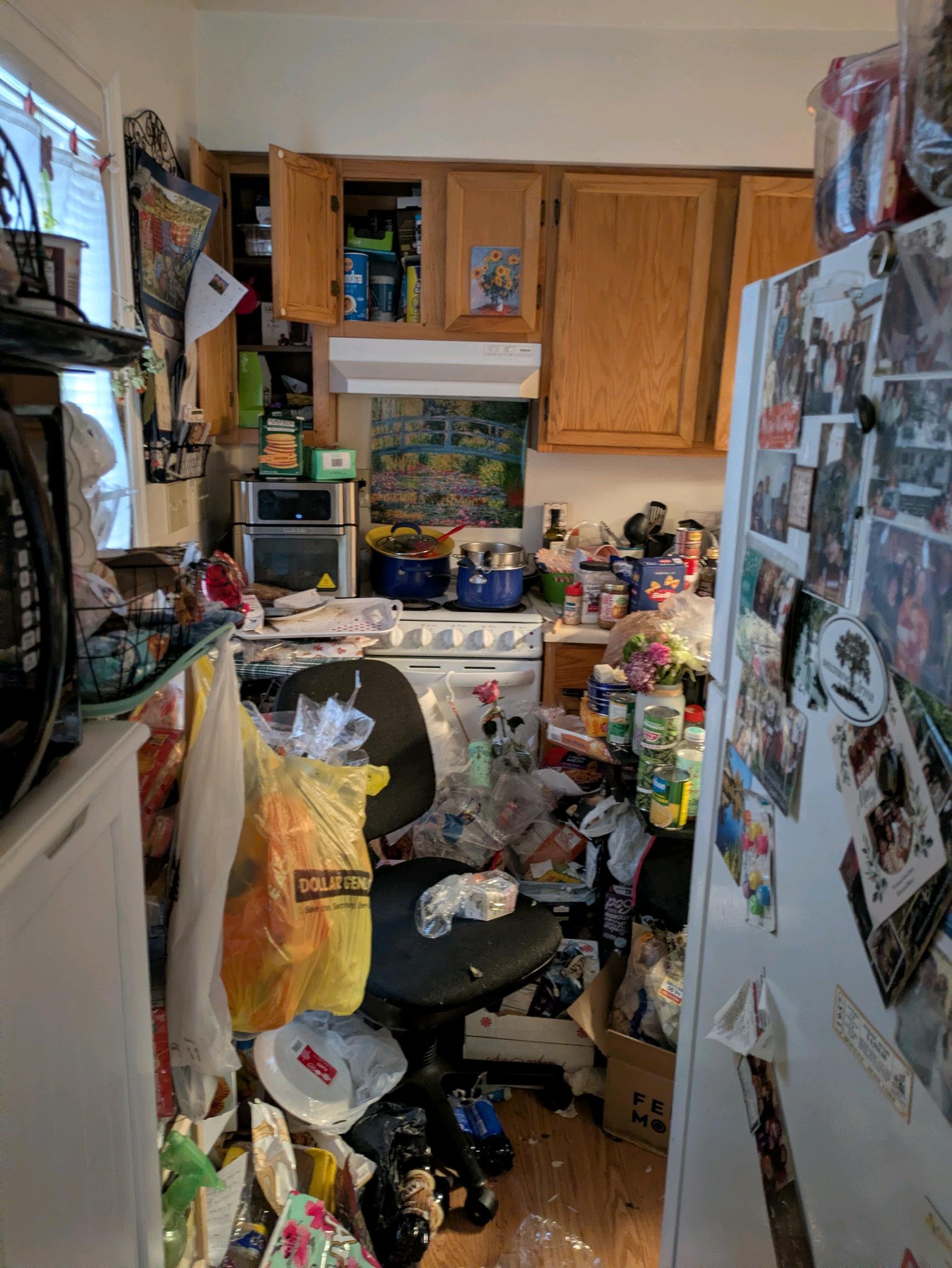
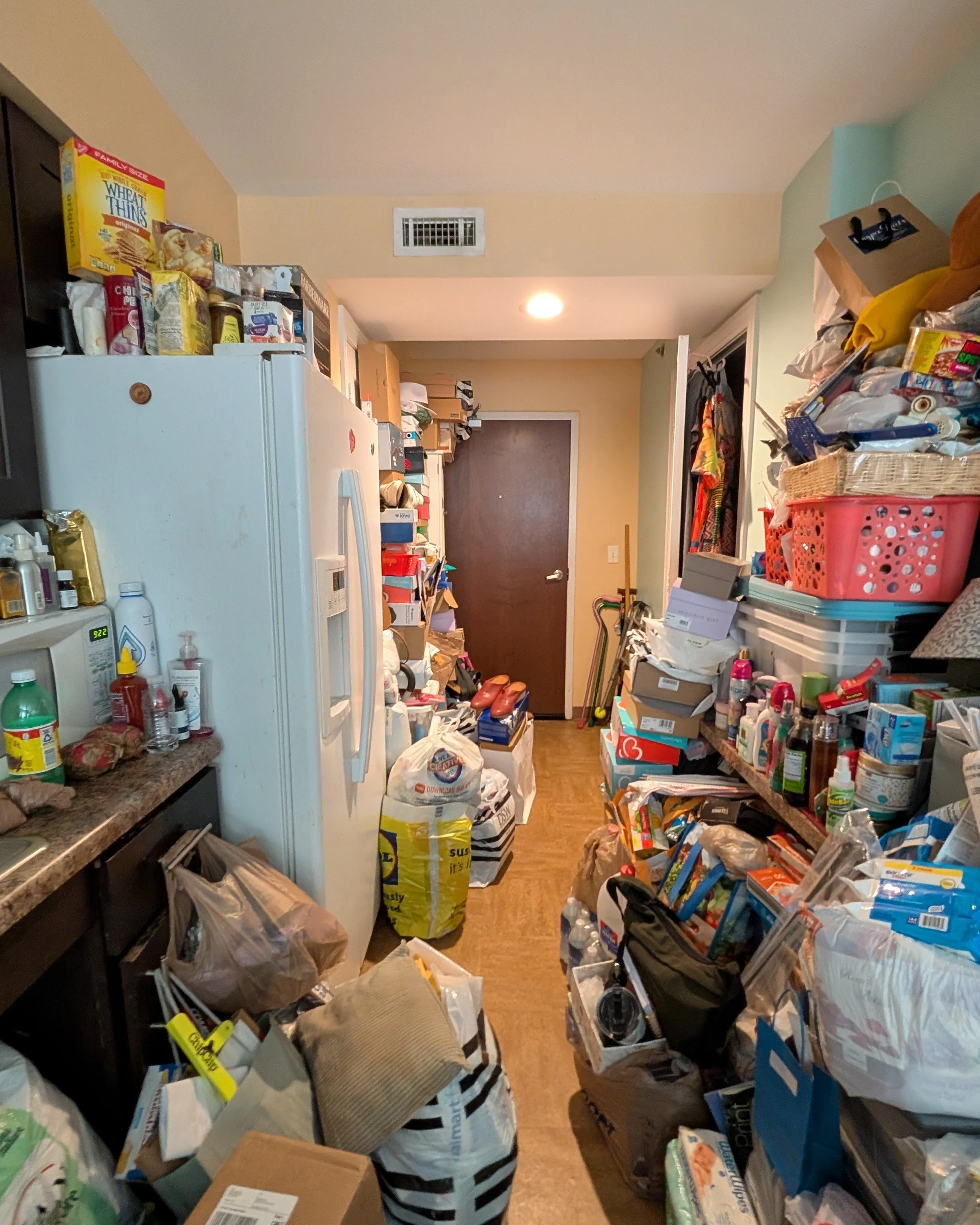
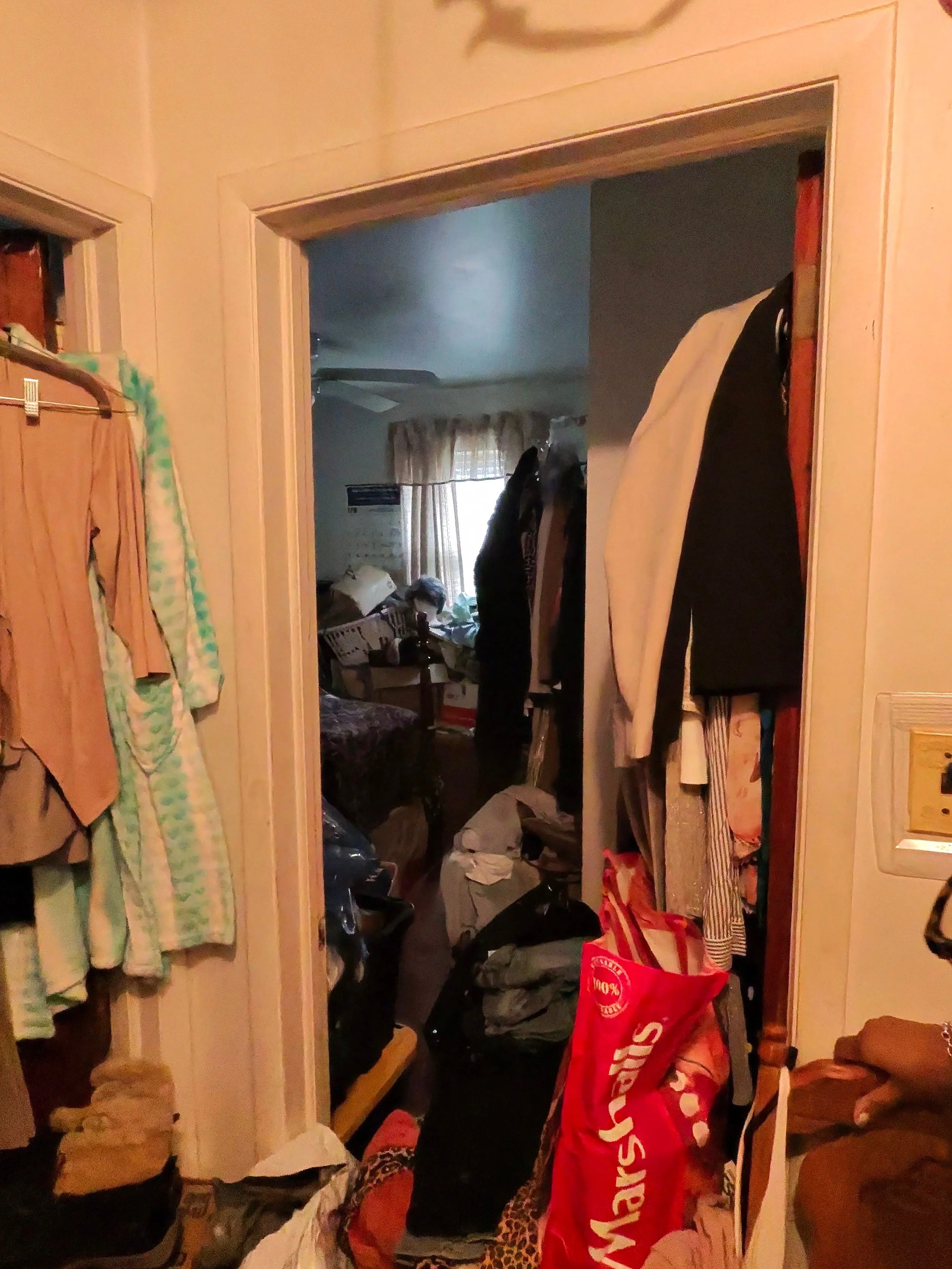
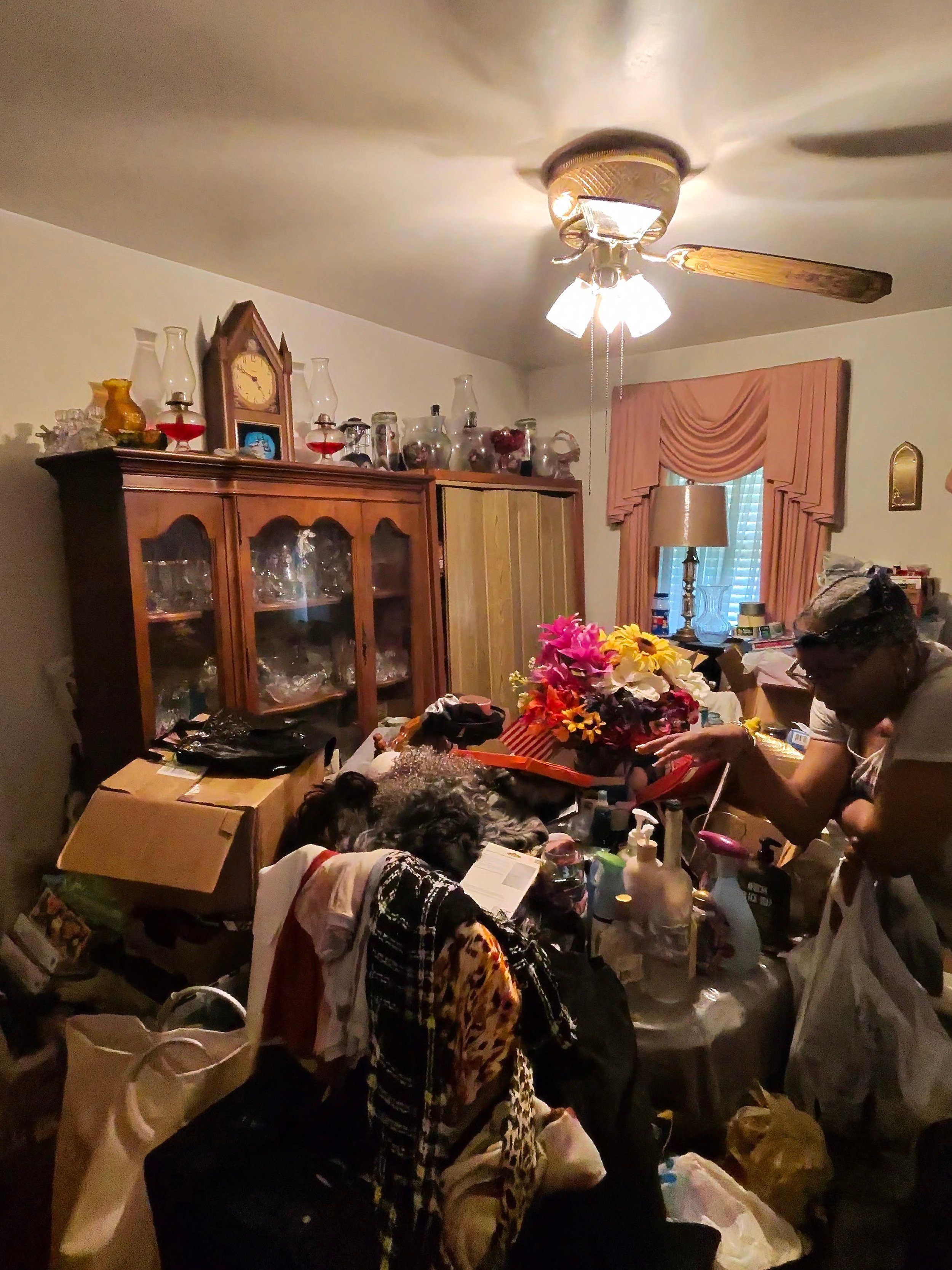
Pathways through rooms have narrowed or are blocked entirely.
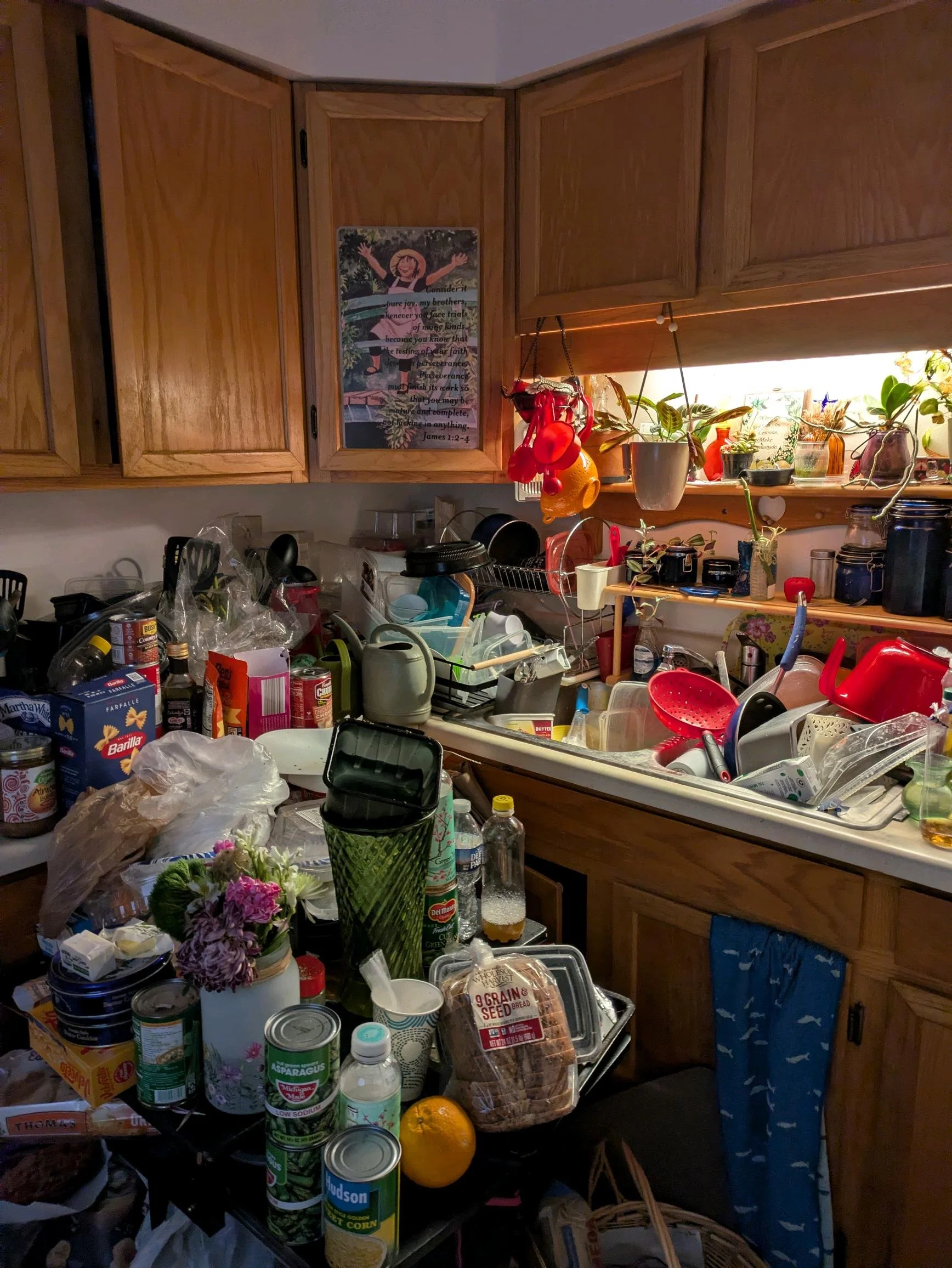
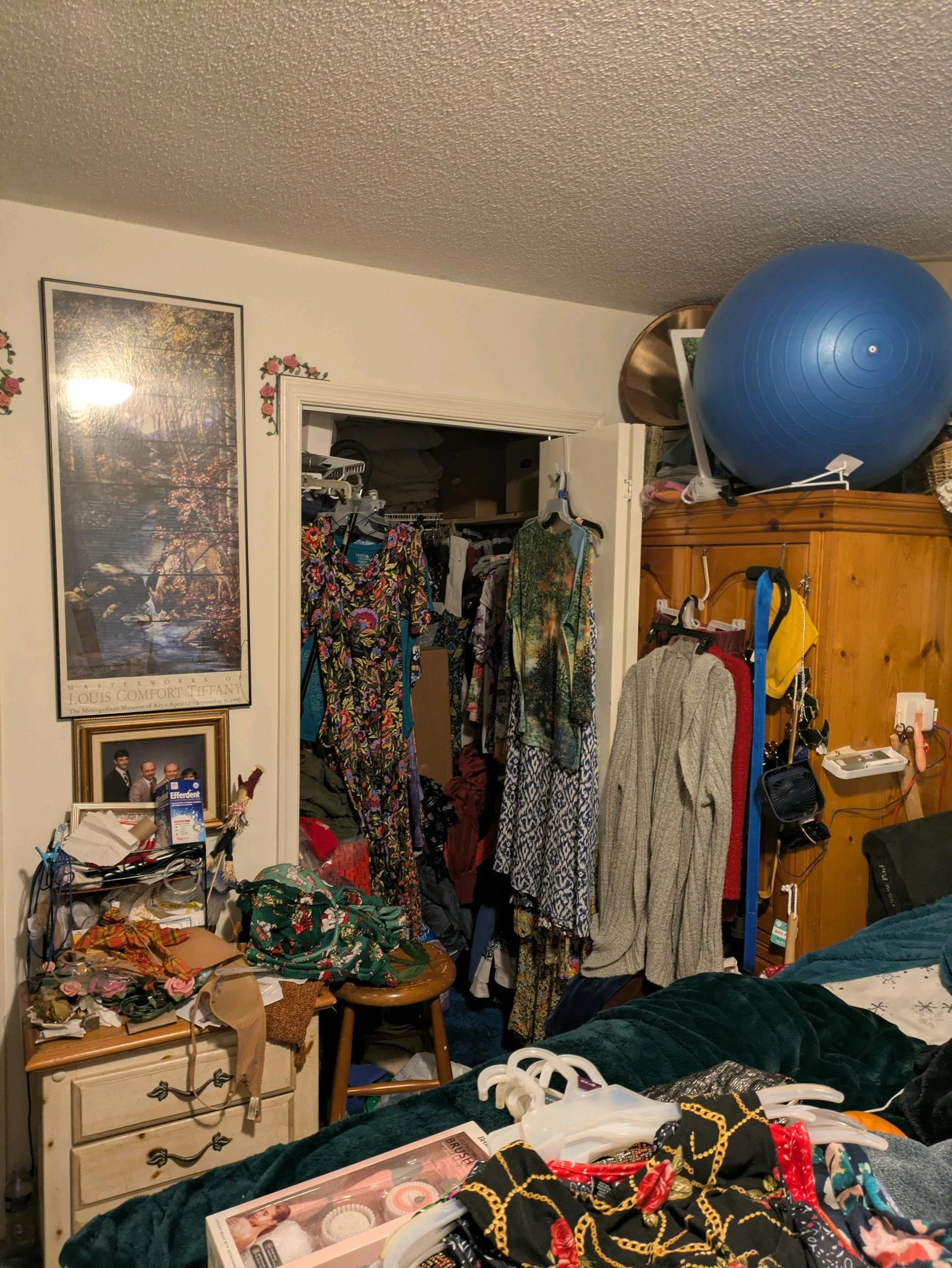
Rooms can no longer be used for their intended purpose — a bedroom used only for storage, a kitchen where cooking isn’t possible.
Items are stacked floor to ceiling in multiple areas.
Expired food, broken items, or trash is kept alongside usable belongings.
Sanitation concerns: pest activity, mold, or inability to clean due to clutter.
Blocked exits or fire hazards from stacked materials.
In the Person
Significant distress, anxiety, or anger when someone suggests removing items.
Continued acquiring of new items even when there is no space for them.
Shame that prevents visitors, repair workers, or family from entering.
Strong emotional attachment to items most would consider without value.
Withdrawal from relationships to avoid anyone seeing the home.
FOR FAMILY MEMBERS: Resist the urge to clean or remove items without the person’s knowledge or consent — even with the best intentions. This approach almost always backfires, creating distrust and making the person less likely to accept help. Compassion and patience open more doors than urgency ever will.
3 - How to Help — And When to Seek Support
If you recognize these signs — in your own home or in someone you love — the most important thing to know is that effective help is available and that no situation is too far gone to improve.
If this is your own home:
Acknowledging that the situation has moved beyond clutter takes real courage. Working with both a therapist who specializes in hoarding disorder and a compassionate professional organizer is one of the most effective approaches — one addresses the emotional root, the other addresses the physical environment, together.
If this is someone you love:
Choose a calm, private moment to express your concern with love, not frustration.
Use “I” language: “I’ve been worries about you” rather than “This has gotten out of control.”
Offer to find professional support together — as a resource, not a correction.
Be patient. Progress in hoarding situations is nonlinear and every small step forward matters.
WE’VE BEEN THERE: Home to Home Services has worked with individuals and families in hoarding situations — including clients facing eviction — with compassion, respect, and deep patience. We never judge. We never rush. We work at the pace that feels safe, because that is the only pace that truly works.
Support exists. Help is available. And it is never too late to take the first step toward a home that feels calm, safe, and livable again.
We’re here to help — without judgement.
Home to Home Services provides compassionate, non-judgmental support for individuals and families navigating hoarding situations. We work at your pace, with deep respect for everything the process involves.
You don’t have to do this alone.
Call or text: 804-496-1767
About Home to Home Services
Home to Home Services is a full-service home transition company specializing in packing & unpacking, move management, home organizing, and design & space planning. We help homeowners, families, and seniors navigate every step of a move with ease.
