


“The most profound lessons on life's journey often come from the unexpected turns we take alongside others. We cherish the experience of working with clients—it's a constant, inspiring reminder that while our paths are individual, the greatest achievements are always reached when we walk forward, together.”


Organizing & Moving Tips
from Richmond, VA

8 Valuable Items Families Often Discard During Estate Cleanouts
Estate cleanouts happen under conditions that are almost perfectly designed to produce mistakes: grief, time pressure, exhaustion, and the need to make hundreds of decisions about belongings that may span a lifetime. In this environment, valuable items are routinely donated, discarded, or given away at a fraction of their worth — not through negligence, but through the entirely predictable result of being asked to evaluate things outside your knowledge while managing everything else at once.

Do You Work With Clients Who Have Cognitive or Physical Limitations?
Yes — and this work is among the most meaningful we do.
Clients with dementia, physical disabilities, chronic illness, ADHD, anxiety, depression, hoarding behaviors, and a range of other cognitive and physical conditions are part of our practice at Home to Home Services. They are not edge cases. They are clients whose home environments matter more — not less — than those of a client without limitations, because the home is the foundation on which their daily functioning, safety, and independence depend.

What’s the Best Strategy for Downsizing Your Home?
Downsizing is one of the most consequential decisions a homeowner makes — and one of the most frequently approached without a clear strategy. Most people think about downsizing as a real estate decision: sell the large house, buy the smaller one. In practice, the real challenge is everything in between: what to do with a household full of belongings, how to decide what comes with you, and how to arrive at a smaller home feeling settled rather than depleted.

Can You Help With Estate Cleanouts After a Senior Passes?
Yes — Home to Home Services provides compassionate, professional estate cleanout support for families in the Richmond, Virginia area and the Washington, DC area. This guide answers the questions families most commonly ask when navigating an estate cleanout for the first time.

How to Create a Safe Path of Travel Through a Client’s Home
Falls are the leading cause of injury-related hospitalization among older adults in the United States — and the majority of those falls happen at home. The physical environment of the home is not a passive backdrop to daily life. It is an active participant in whether a client is safe, independent, and able to function without assistance.

What Should I Do Before a Professional Organizer Visits?
You have booked a professional organizing session. The date is on the calendar. Now comes the question almost every client has: what do I actually do before they arrive?

7 Items Families Always Overlook During an Estate Cleanout
An estate cleanout is one of the most logistically and emotionally complex tasks a family can undertake. It requires making hundreds of decisions about a lifetime of belongings, under conditions of grief and time pressure, often in a space that is simultaneously familiar and overwhelming.

How Do I Find a Trustworthy Home Organizer?
Hiring a professional organizer means inviting someone into your home — into your closets, your drawers, your personal belongings, and sometimes your most private spaces. Trust is not a secondary consideration in this decision. It is the primary one.

5 Reasons Senior Advisors Refer Clients to Home to Home Services
Senior living advisors, placement specialists, and care coordinators work with families at one of the most consequential moments in their lives. The quality of every referral they make reflects directly on their professional reputation — and on the experience of the client at the center of the transition.

Move Management for Seniors: How to Help an Aging Parent Relocate With Dignity
When a parent needs to move — whether to a smaller home, an independent living community, or an assisted living facility — the logistics are the easy part to describe and the hard part to manage. The harder part, the one that rarely comes up in conversations about moving, is the dignity of the person at the center of it all.

6 Organizing Tips for Clients With Dementia or Memory Loss
The home environment plays a direct, measurable role in the daily functioning and safety of clients with dementia or memory loss. A well-organized home reduces cognitive load, supports independent daily routines, decreases fall risk, and provides the familiar, consistent environment that memory care research consistently identifies as foundational to quality of life.

What to Do With a Client’s Home When They Move to Memory Care
When a client transitions to memory care, the focus is rightly on them — on their comfort, their safety, and the quality of care they will receive. But there is another dimension of this transition that falls entirely on the family and care team: what happens to the home they are leaving behind.

8 Steps for Handling an Estate Cleanout With Compassion
An estate cleanout is one of the most emotionally demanding tasks a family can face. It asks people who are grieving to make dozens of practical decisions about a lifetime of belongings — often under legal and financial time pressure, often while managing conflict among family members, and almost always while trying to honor someone they loved.
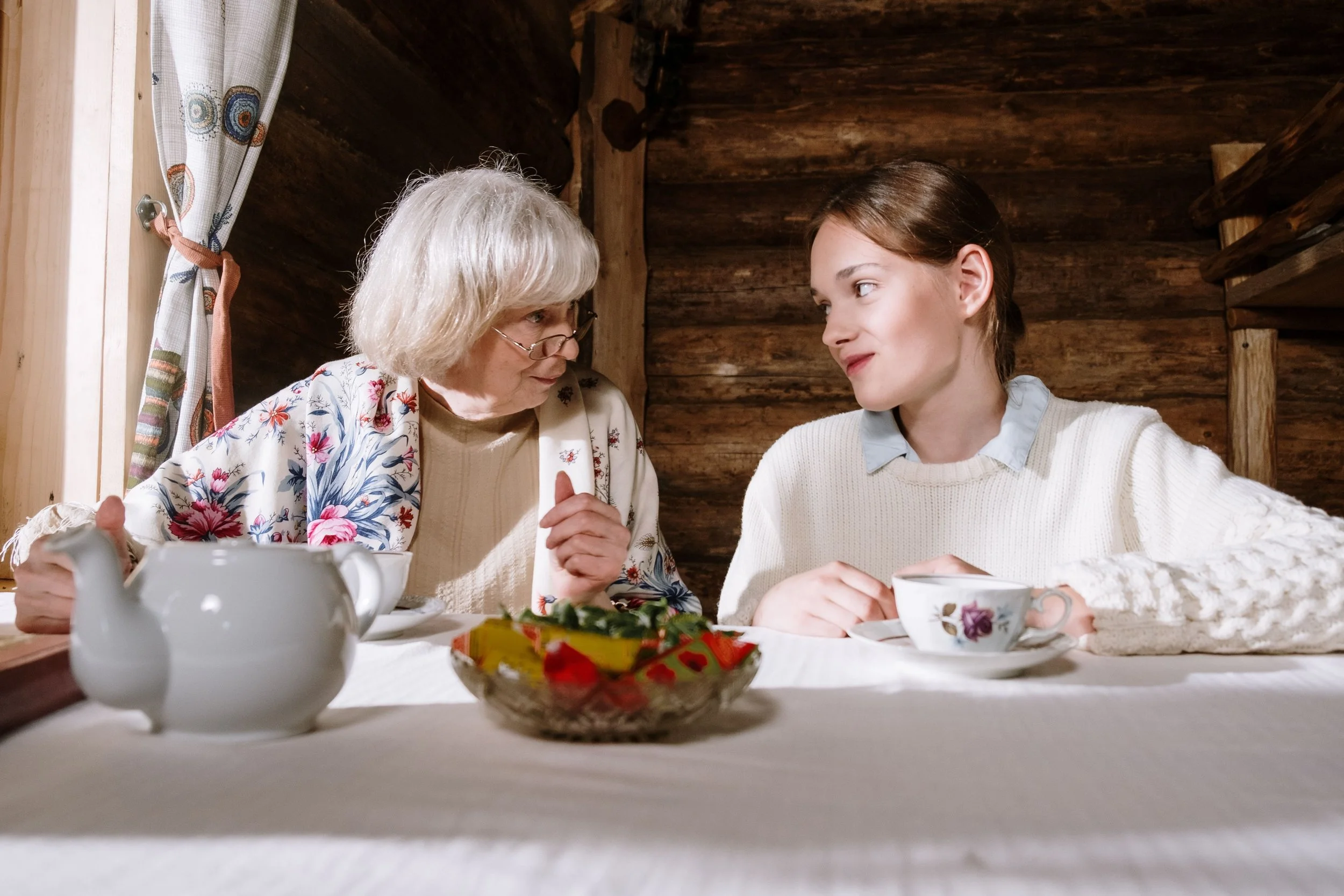
How to Talk to a Parent About Moving to Assisted Living
There is no easy version of this conversation. Talking to a parent about moving to assisted living is one of the hardest things adult children face — because it touches everything at once: safety, independence, identity, and the unspoken fear on both sides of what this transition means.

How Home Organization Supports Home Care Clients
Home care is most effective when the environment it happens in supports it. A home care aide can only do so much when the home itself creates obstacles — narrow pathways that increase fall risk, cluttered surfaces that make medication management harder, disorganized spaces that slow every task and raise the stress level for everyone involved.

How Professional Organizers Support Estate Settlement
When a loved one passes, the legal and financial aspects of estate settlement are often handled by attorneys, financial advisors, and executors. But there is another dimension of the process that falls entirely outside the legal framework — and that families are left to manage on their own: the physical contents of a home.
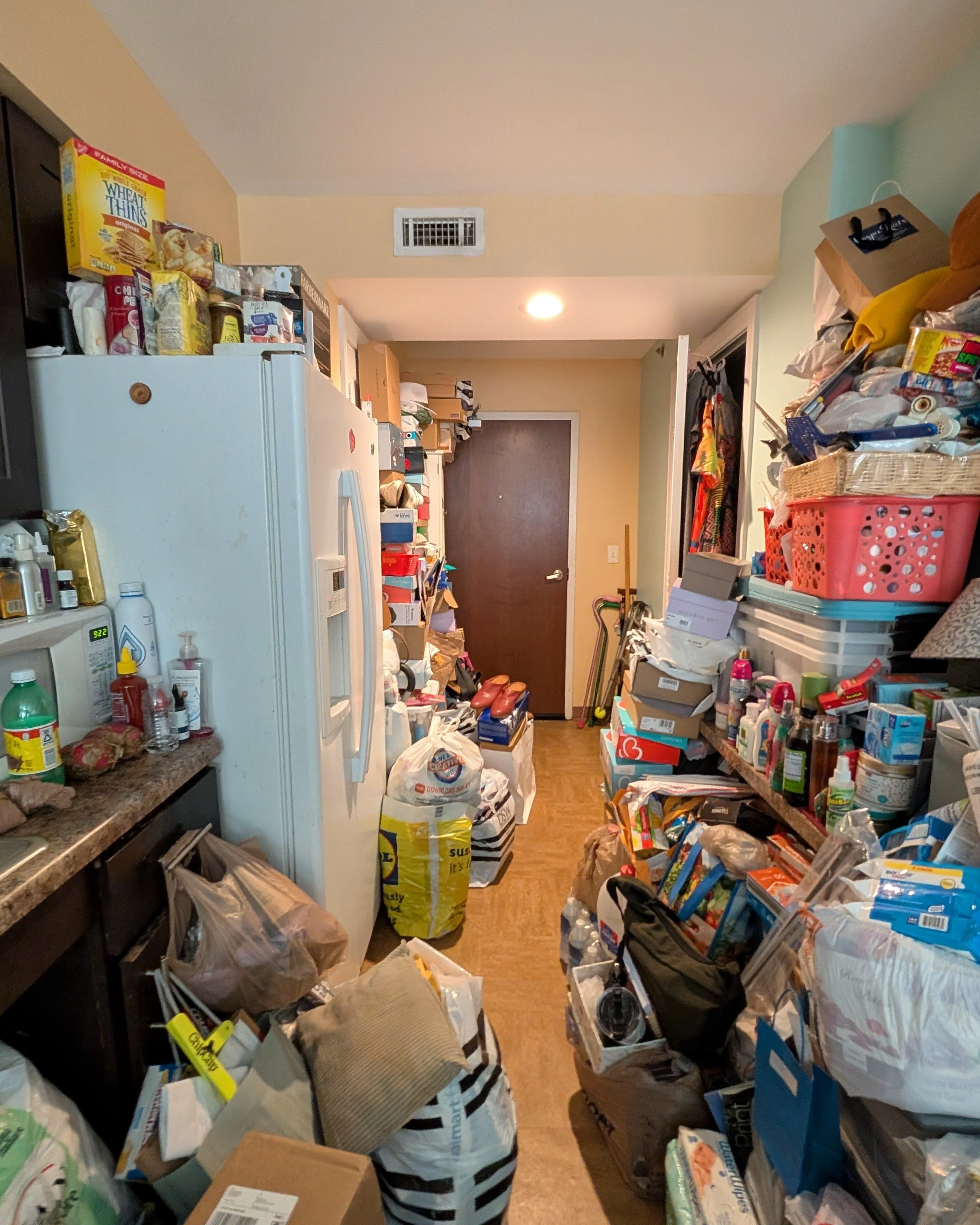
Signs That Clutter Has Become a Hoarding Situation
Every home has clutter. A junk drawer that’s gotten out of hand, a closet that needs editing, a counter piled with mail — these are ordinary parts of everyday life. But there is a point where clutter crosses into something more serious: a hoarding situation that affects health, safety, and quality of life.

8 Home Organizing Changes That Improve Daily Function for Clients
Occupational therapy addresses function. So does home organization — but the connection between the two is often overlooked. The physical environment a client lives in either supports or undermines every functional goal being worked on in therapy. When the environment is organized to align with a client’s specific needs, abilities, and routines, the gains made in OT sessions transfer more reliably into daily life.

Downsizing in Richmond: A Practical Guide for Seniors & Families
Downsizing is one of the most significant transitions a person or family can navigate. It involves sorting through a lifetime of belongings, making decisions about what comes next, and often closing the door on a home that holds decades of memory. When it is done well, it can feel like a relief — a fresh start with only what matters most. When it is rushed or unplanned, it can be one of the most stressful experiences a family faces.

What is The Link Between Clutter and Caregiver Burnout?
Caregiver burnout is one of the most serious and underrecognized challenges in home care — and the home environment plays a larger role in it than most people realize. This FAQ addresses the connection between clutter and caregiver burnout honestly and practically, for family caregivers, home care coordinators, and anyone supporting someone in a caregiving role.